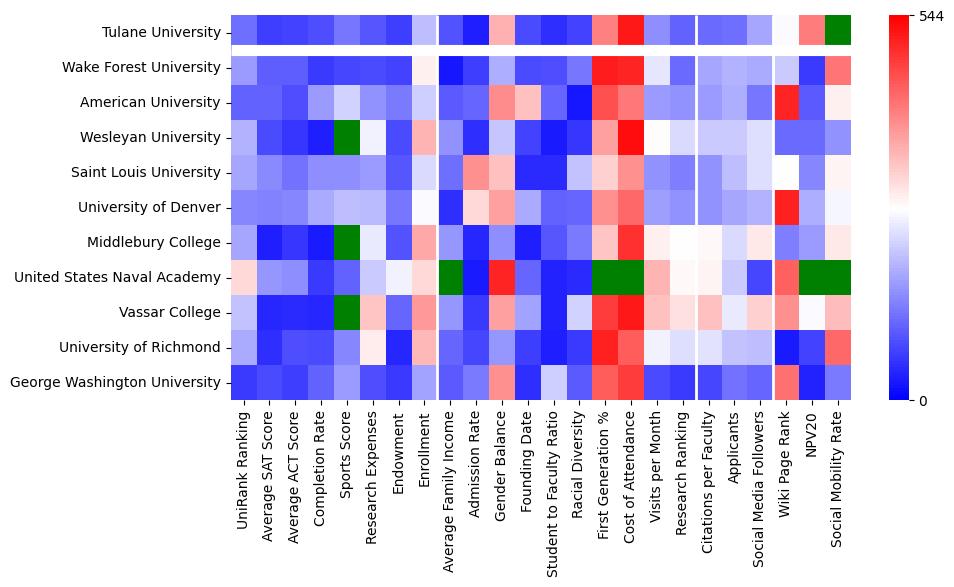
Tulane University, located in the vibrant city of New Orleans, Louisiana, was founded in 1834 as the Medical College of Louisiana. It evolved into a comprehensive university by 1847 and was renamed Tulane University in 1884. Over nearly two centuries, Tulane has grown into a distinguished private research institution, recognized for its strong emphasis on interdisciplinary education and commitment to public service. Its urban campus, situated in the heart of uptown New Orleans, provides students with rich cultural and educational experiences that are uniquely tied to the city's distinctive character.
What truly sets Tulane apart is its integration with New Orleans' dynamic culture and community. The university’s commitment to public service is embodied in its "Tulane Interdisciplinary Experience Seminar" and the "Center for Public Service," which requires students to engage in community service as part of their graduation requirements. Tulane’s location offers students a one-of-a-kind opportunity to immerse themselves in a city known for its music, food, and festivals, creating a vibrant and engaging learning environment. This connection to the city enhances the social and academic life at Tulane, making it a compelling choice for students looking for an education that extends beyond the classroom.
Academically, Tulane is known for its strong programs in law, business, architecture, and public health. The A.B. Freeman School of Business and the School of Public Health and Tropical Medicine are particularly notable, offering innovative programs that have garnered national recognition. The university emphasizes research and hands-on learning, which is evident in its various research centers and institutes that focus on areas like environmental studies, neuroscience, and social innovation. Tulane's faculty are committed to fostering a challenging yet supportive environment where students are encouraged to pursue interdisciplinary studies and critical thinking.
While Tulane offers numerous advantages, one of its challenges is the high cost of attendance, which can be prohibitive for some students despite its efforts to provide financial aid and scholarships. Additionally, while the university has made strides in improving campus safety, being situated in an urban environment can present safety concerns for students. Furthermore, some students have pointed out that the administrative processes can be cumbersome, impacting the overall student experience. Despite these challenges, Tulane remains a top choice for students seeking a distinctive educational experience deeply intertwined with the cultural and social fabric of New Orleans.